
How ABS Works
with SEC Network’s Dari Nowkhah.

The SEC is implementing the ABS Challenge System on an experimental basis for every game of the 2026 SEC Baseball Tournament. Human umpires call balls and strikes; Hawk-Eye technology serves as a definitive review process when teams choose to challenge.
A quick walkthrough of the Automated Ball-Strike challenge system — how it’s initiated, what the umpires signal, and what shows on the videoboard.
The home plate umpire will call balls and strikes unaided by ABS. Each team will be permitted to challenge an individual strike or ball call (on either offense or defense) by appealing to the appropriate call of the pitch as determined by ABS.
A challenge may occur at any point in a plate appearance — including the end of an appearance (e.g., a walk, called strike three, or hit by pitch). The defensive team cannot challenge a strike, and the offensive team cannot challenge a ball.
Only three players on the field can initiate an ABS challenge. The signal is the same in each case — a quick tap of the headgear within 2–3 seconds of the pitch.
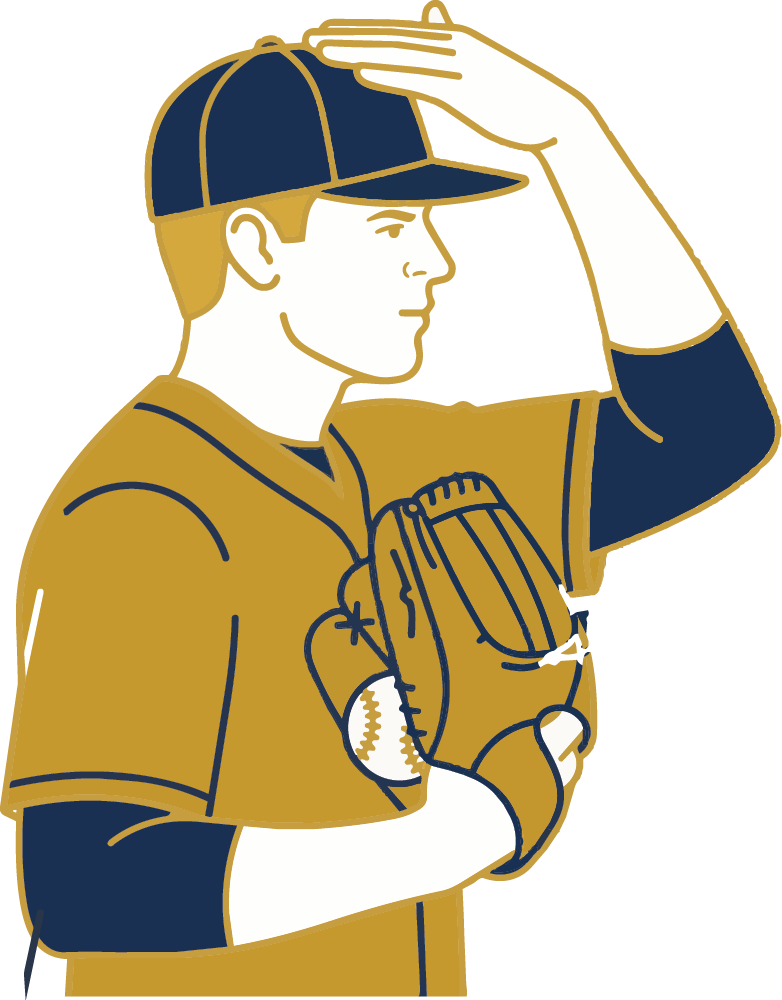
Tap the cap.
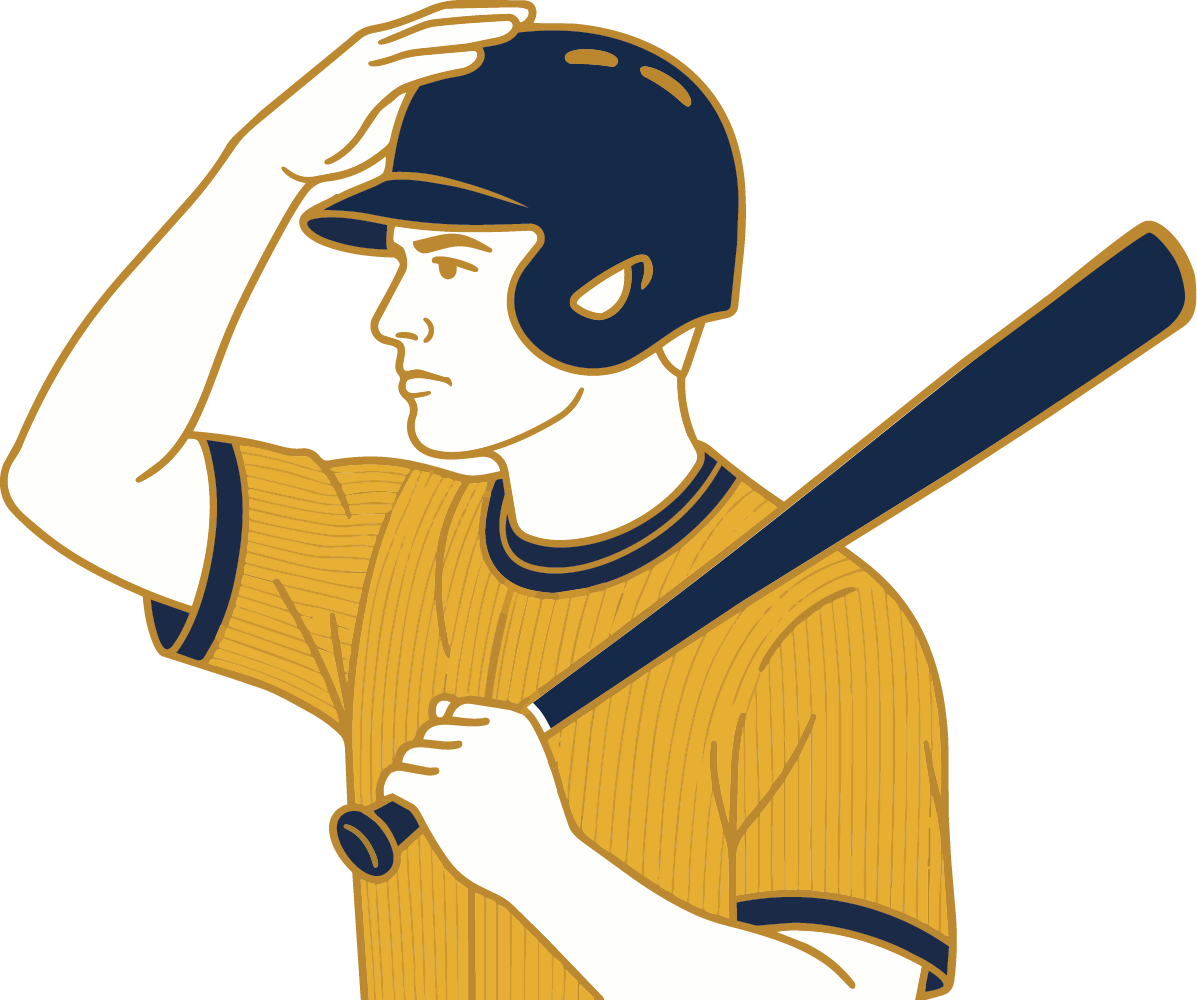
Tap the helmet.
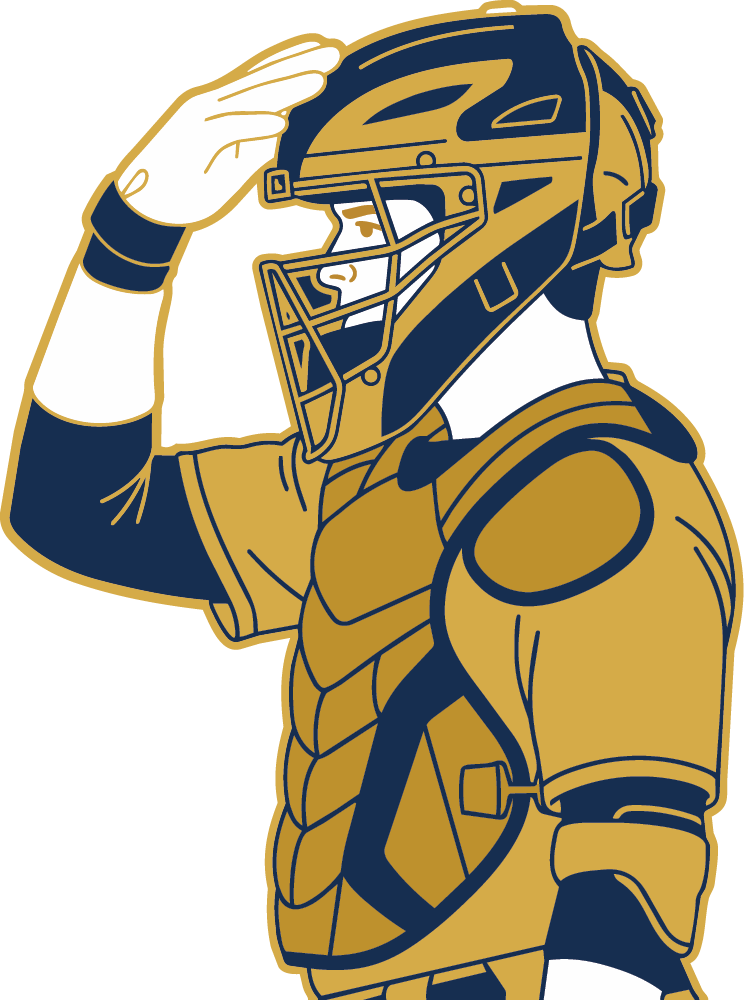
Tap the mask.
Only the batter, pitcher, or catcher may initiate by immediately (within 2–3 seconds) tapping the top of their cap or helmet.
The home plate umpire signals to the press box and announces that a challenge has been initiated.
The pitch location is compared against the batter's individualized electronic strike zone.
The videoboard and broadcast show the pitch location, whether the call is confirmed or overturned, and the updated count.
Successful The call on the field is overturned and the team retains the challenge.
Unsuccessful The call on the field is confirmed and the team loses that challenge.
In the 10th inning and beyond, a team with zero remaining challenges at the start of an inning is provided one additional challenge for that inning only — no carry-over.
A team that starts an extra inning with any remaining challenges (1–3) will not receive an additional challenge until all remaining challenges have been exhausted.
Only the pitcher, catcher, or hitter may initiate a challenge. No other player, coach, or team personnel may signal whether to challenge. If the umpire determines a player's decision was aided, the team loses the ability to challenge that pitch.
Teams — including players, coaches, and other team personnel — are prohibited from using information received, directly or indirectly, from any electronic devices to inform a decision whether to challenge a call. The SEC will conduct random spot checks of dugouts and team areas.
If a pitch is called a strike and the batter requests a challenge but the umpire believes the batter may have offered, the umpire must confirm no swing before initiating the review. If the batter did offer, the result is a strike and the offense retains its challenge.
No player, coach, or other team personnel may argue, protest, or appeal the result of an ABS challenge. If the ABS system fails to track a pitch, the call on the field stands and the challenging team retains its challenge.
Click anywhere to test a pitch against this player's zone.
All decisions regarding the placement of base runners following an overturned call are made by the on-field umpires in accordance with NCAA Baseball Rules. Any doubt is resolved in favor of the last base legally touched at the time of the challenged call.
If the umpires determine that an incorrect ball or strike call had no effect on the subsequent behavior or conduct of the players, the umpires shall change the incorrect call but let stand any on-field calls or plays unaffected by the incorrect call.
If a pitch not legally caught by the catcher was called a ball, then challenged and overturned to strike three, the batter is out without requiring the batter or first base to be tagged. The batter may not advance on a dropped third strike in this scenario.
If a pitch called a strike is overturned to ball four, any runner(s) forced to the next base advance one base from the base they occupied when the pitch was released. A runner forced to advance without liability to be put out may advance past the entitled base only at his peril.
Each team will start the game with three challenges.
If a team enters an extra inning with zero challenges remaining, they are awarded one challenge for every extra inning. There is no carry-over to subsequent innings.
A challenge may only be initiated by the pitcher, catcher, or hitter immediately following a pitch by tapping the top of their cap or helmet. No other player, coach, or team personnel may signal to a player whether or not to initiate a challenge. An untimely request will be denied.
After the umpire signals that a challenge has been initiated, the stadium videoboard and TV broadcast will display a graphic showing the location of the pitch, whether the call was confirmed or overturned, and the updated ball-strike count. The request and result are also announced by the home plate umpire via the stadium public address system.
Yes. A team only loses its challenge if the umpire's call is confirmed.
Challenges must be initiated immediately (within 2–3 seconds) after the conclusion of the prior pitch. If there is an ensuing play on a runner (including a batter-runner) or an appeal of a check swing, the call may be challenged immediately upon the conclusion of the ensuing play. The determination of whether a challenge was timely is made solely by the home plate umpire.
No. A challenge may not be requested after a coach initiates a replay review. Any ABS challenge must be initiated and resolved before an umpire accepts a coach's request for a replay review.
All decisions regarding base runner placement on an overturned call are made by the on-field umpires in accordance with NCAA Baseball Rules. Unless directed otherwise, if the umpires determine an incorrect ball or strike call had no effect on player behavior, they shall change the incorrect call but let stand any on-field plays unaffected by it. Any doubt is resolved in favor of the last base legally touched at the time of the challenged call.
The strike zone is a two-dimensional rectangle that is 19" wide (the width of home plate plus the 1" black border on each side), set over the middle of home plate (8.5" in front of the back tip), with an upper boundary at 58% of the batter's height and a lower boundary at 23% of the batter's height.
The SEC institutes measuring protocols for all players participating in the SEC Tournament. These measurements serve as the basis for setting the top and bottom of each player's strike zone. All players are measured by members of the on-site athletic training staff using a SECA measurement device provided by the SEC.
Yes. The Hoover Met videoboard and the TV broadcast will display the number of ABS challenges remaining for each team.
If the ABS system experiences a technical issue that impairs its ability to determine whether a pitch was a ball or a strike, the umpire will inform both teams, and no player shall be permitted to challenge until the issue is resolved.
Real-time challenge data & team success rates · coming online when the 2026 SEC Baseball Tournament begins